

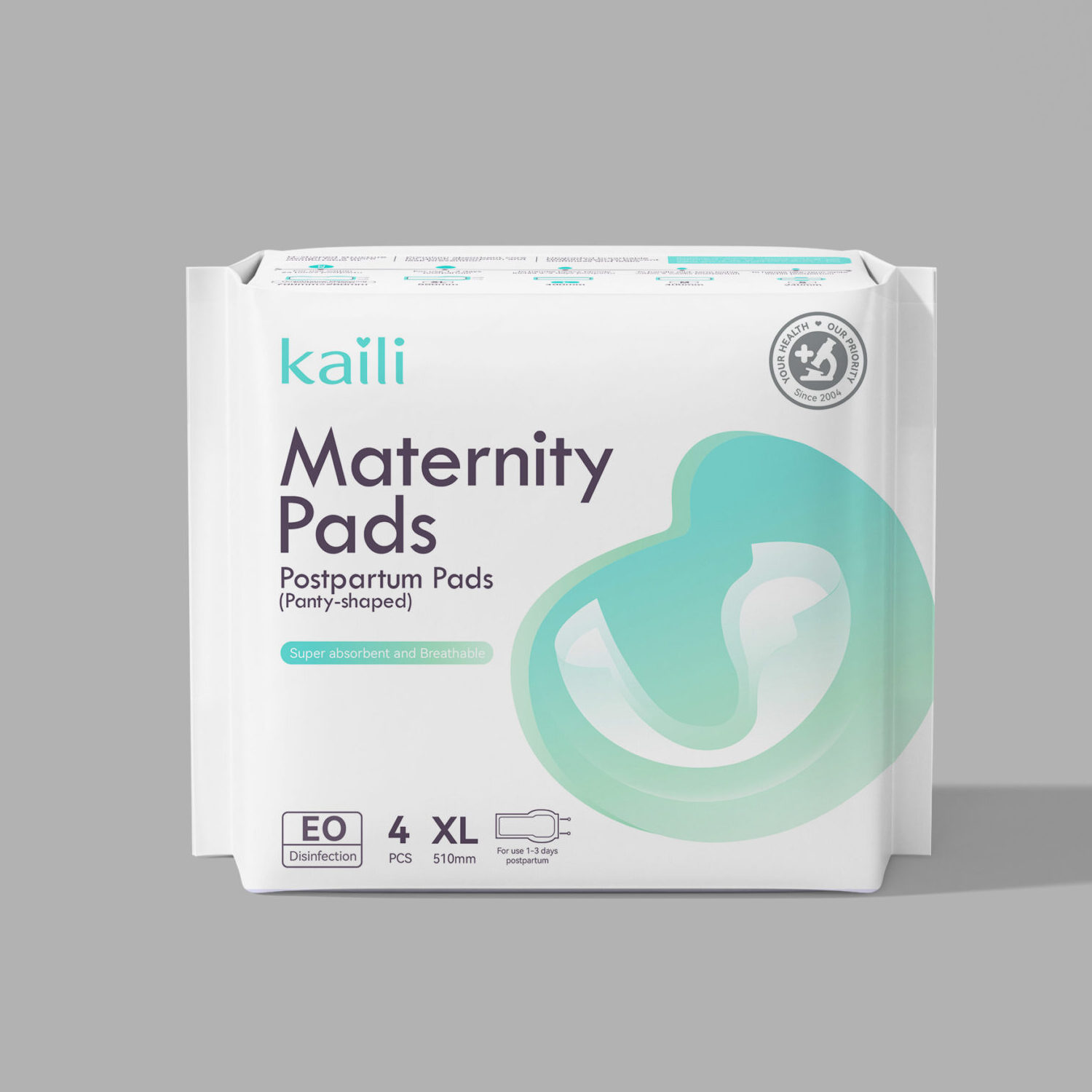
After giving birth, your body enters a recovery phase that most first-time parents are only vaguely prepared for. For the next two to six weeks, you will pass lochia — a discharge of blood, mucus and uterine lining that is your body’s way of healing after delivery. Managing it comfortably and safely comes down to one practical choice: the right postpartum protection.
This guide explains what lochia is, the three stages it moves through, and how to choose maternity pads that keep you comfortable, dry and protected through every phase.
What Is Lochia?
Lochia is the normal vaginal discharge that follows childbirth, whether you delivered vaginally or by caesarean section. It is not a period, even though it can look like one. It is the uterus shedding the lining and blood supply that supported the pregnancy, along with the tissue left behind after the placenta is delivered.
The volume is what surprises most people. In the first few days, lochia flow can be noticeably heavier than a heavy period — which is exactly why a regular sanitary pad falls short and a dedicated maternity pad is the safer choice.
The Three Stages of Lochia
Understanding the stages helps you know what to expect, and how much protection you actually need at each point.
| Stage | Timing | Colour | Flow |
|---|---|---|---|
| Lochia rubra | Days 1–4 | Bright red | Heavy, may contain small clots |
| Lochia serosa | Days 4–10 | Pinkish-brown | Moderate, watery |
| Lochia alba | Week 2–6 | Yellowish-white | Light, gradually fading |
The heavy, bright-red early stage is when absorbency matters most. By the time flow turns light and pale, you can comfortably step down to a thinner or shorter pad.
Why a Maternity Pad Beats a Regular Pad for Lochia Care
Lochia is heavier, longer-lasting and more variable than a period, so postpartum protection needs to be built differently.
- Length and coverage. A maternity pad is longer and wider, which matters when you’re lying down, sleeping or moving between bed and chair. More coverage means fewer gaps and fewer leaks.
- Higher absorbency. The core — typically fluff pulp combined with a super absorbent polymer (SAP) — locks fluid in and keeps the surface feeling dry, even overnight.
- Gentler on healing skin. The top layer is soft and breathable, and the pad is usually fragrance-free and latex-free. That reduces irritation while your body heals.
- A waterproof back sheet protects clothing and bedding without trapping heat.
If you want a deeper look at how the absorbent core works, our guide on SAP vs fluff pulp underpad cores breaks down the technology behind it.
How to Choose Postpartum Protection by Lochia Stage
Your needs change as lochia progresses, so match your pad to the stage rather than buying one size for everything.
Early stage (rubra, days 1–4). Use the highest-absorbency, longest pad you can — an XL maternity pad is ideal. You may go through 6 to 8 pads a day during this window.
Middle stage (serosa, days 4–10). Flow eases, so a medium or large pad is usually enough. You can start to reduce how often you change.
Late stage (alba, weeks 2–6). Flow is light. A smaller or slimmer pad works, or a light postpartum liner. Change when soiled rather than on a fixed clock.
For the wholesale or retail sourcing side of this — sizes, packaging and stock availability — see our Maternity Pad XL in-stock wholesale page.
How Many Pads Will You Need?
A common question, and worth planning for before the birth. As a rule of thumb:
- First week: 6–8 pads per day, for 7 days — roughly 45–55 pads.
- Weeks 2–3: 3–5 pads per day.
- Weeks 4–6: 1–3 pads per day, stepping down as flow fades.
Buying a larger pack up front is cheaper per pad and removes a trip to the shop during a week when you’d rather not be anywhere but home. Hospitals and birthing centres also stock maternity pads, but many new mothers prefer to bring their own preferred brand and size.
Lochia Care: Do’s and Don’ts
Do:
- Change pads every 3–4 hours, and sooner whenever the pad feels wet.
- Wash your hands before and after every change.
- Use fragrance-free, latex-free pads while your skin is healing.
- Wear breathable cotton underwear to reduce irritation.
Don’t:
- Don’t use tampons or menstrual cups postpartum — your body needs time to heal first.
- Don’t double up pads to “last longer”; it bunches and doesn’t protect any better.
- Don’t ignore warning signs. Large clots, a sudden return to heavy red flow, or a foul odour can signal a problem — contact your healthcare provider.
FAQs
How long does lochia last? Typically two to six weeks. It moves through the heavy red stage, a pinkish middle stage, and a light pale stage before stopping. A sudden return to heavy red bleeding weeks in should be checked by a doctor.
How is lochia different from a period? Lochia is the uterus shedding pregnancy tissue after birth, so it is heavier at first and lasts longer than a period. It also changes colour and texture in a predictable sequence.
Can I use regular pads for lochia? For the first heavy days, a regular pad is usually not absorbent or long enough. A dedicated maternity pad is the safer, more comfortable choice; you can switch to a lighter pad as flow eases.
How many maternity pads do I need after birth? Plan for roughly 45–55 pads across the first week alone, then fewer as flow lightens. Stocking up before delivery is the practical approach.
Is heavy bleeding after birth normal? Heavy, bright-red flow is normal for the first few days. But soaking through a pad in under an hour, passing large clots, or feeling faint should be treated as a medical emergency.
Looking for reliable postpartum protection? As a manufacturer with 20 years of experience and ISO 13485 and CE certified production, we supply high-absorbency maternity pads with OEM/ODM options and ready-to-ship stock. Get in touch for specifications and free samples.
📧 [email protected] | 📱 +86 18029836946 (WhatsApp)

