
If you are sourcing disposable underpads — for a hospital group, a nursing-home chain, an Amazon private label, or a pet-care brand — you will hear two terms constantly: OEM and ODM. On the surface they look like interchangeable buzzwords for “we make products for your brand.” They are not the same thing, and choosing the wrong one can cost you weeks of lead time, higher tooling fees, or a product that never quite matches your spec.
In this guide we break down the difference between OEM vs ODM underpad manufacturing, show you which route fits which kind of buyer, and explain exactly what to ask a factory before you commit. This is the same framework our own sales team at China Underpad walks every first-time buyer through.
What Do OEM and ODM Actually Mean?
Before you can decide, you need the definitions straight.
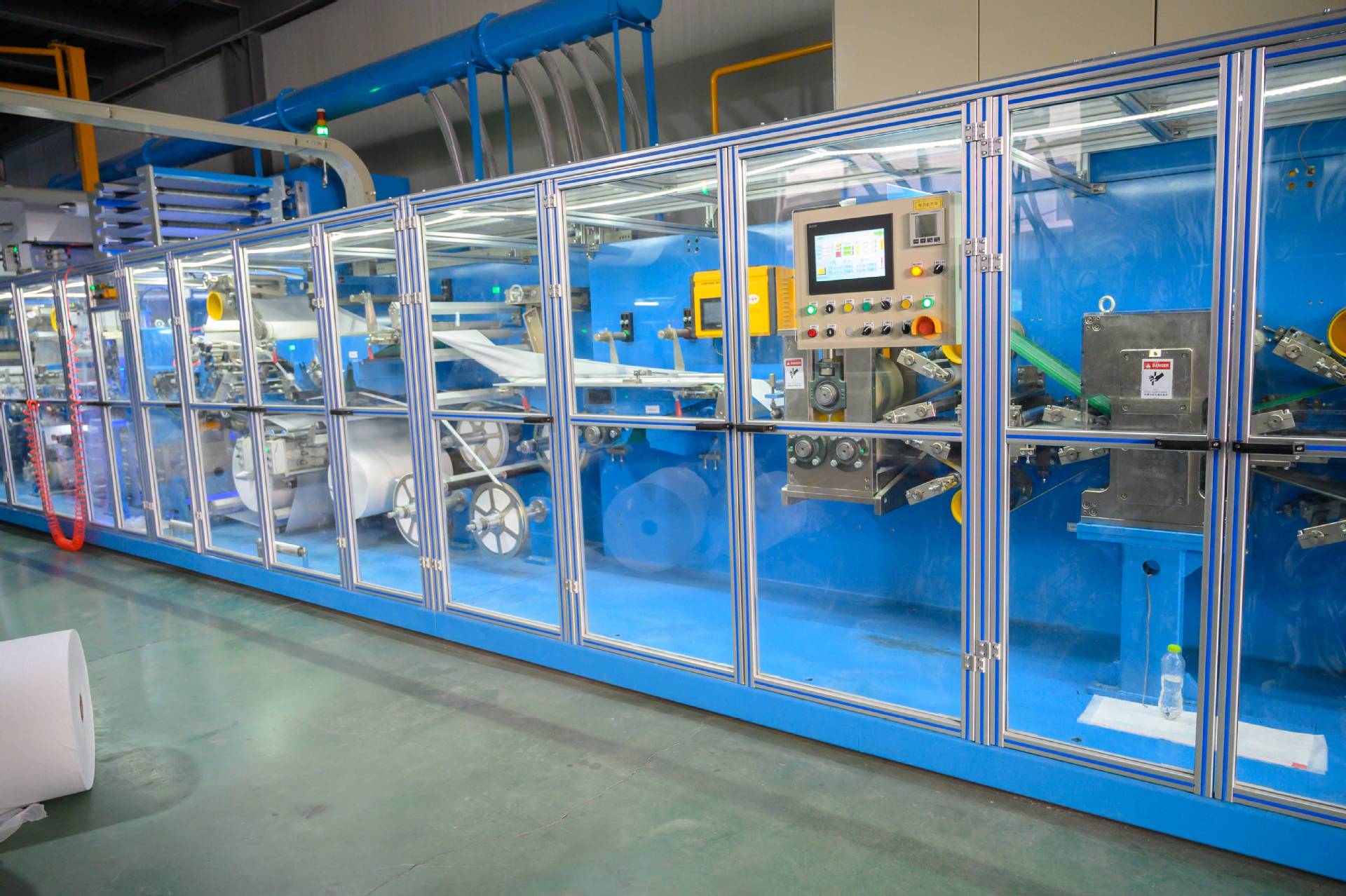
OEM (Original Equipment Manufacturer) — you bring the design, the factory builds it. You own the product specification, the size, the absorbency target, the materials, and the packaging. The factory’s job is to manufacture to your exact blueprint and put your brand on it.
ODM (Original Design Manufacturer) — the factory brings the design, you put your brand on it. The manufacturer already has existing product designs, molds, and material recipes. You select from their catalog, customize the branding (logo, packaging, sometimes color and size), and order.
A simple way to remember it: OEM means you own the “what”; ODM means the factory owns the “what” and you own the “brand.” For a broader primer on how original equipment and original design manufacturing differ across industries, Investopedia’s OEM vs ODM explainer is a useful reference.
OEM vs ODM Underpad: Side-by-Side Comparison
| Dimension | OEM Underpad | ODM Underpad |
|---|---|---|
| Who owns the design? | You (the buyer) | The factory |
| Who owns tooling/molds? | Usually you (or shared) | The factory |
| Typical MOQ | Higher (custom tooling) | Lower (existing lines) |
| Lead time to first order | Longer (design + sampling) | Shorter (catalog-based) |
| Product uniqueness | Fully unique, defensible | Shared with other brands |
| Upfront cost | Higher (R&D, tooling, testing) | Lower |
| Best for | Established brands, regulated buyers | Startups, private label, speed-to-market |
Neither option is “better” in the abstract — the right choice depends entirely on where you are in your business lifecycle.
When to Choose OEM
Choose OEM underpad manufacturing when one or more of these is true:
- You have a proprietary specification. A hospital buyer that needs an underpad with a specific SAP ratio, a non-woven topsheet weight, or a precise 60×90 cm size with a defined absorption in milliliters is really describing an OEM job.
- You need defensible differentiation. If every competitor sells the same factory’s standard pad, price is your only weapon. A unique core, a patented cuff, or a specific material mix gives you something to defend.
- Regulatory or clinical requirements are strict. CE-marked or ISO 13485-required products with your own technical file often demand that you control the spec, not just the logo.
- You plan to scale and stay. Once a design is locked, OEM manufacturing becomes increasingly cost-efficient at volume.
The trade-off: higher minimum order quantities, longer sampling cycles, and more of your team’s time spent on specification and testing.
When to Choose ODM
Choose ODM underpad manufacturing when:
- Speed matters more than uniqueness. A catalog product can move from first conversation to shipped order in a fraction of the time a custom design takes.
- You are testing a market. Launching a private-label underpad on Amazon or in a new region? ODM lets you validate demand without fronting tooling costs.
- Your budget for development is limited. You pay for branding and packaging, not R&D.
- The product category is mature and standardized. Disposable underpads are a well-understood product; a good factory’s existing 60×90 or 60×60 pad already meets most buyers’ performance needs.
The trade-off: your product is largely interchangeable with competitors’ products from the same line, which pushes you to compete on brand, service, and price rather than on product.
A Third Path: OEM on an ODM Base
Experienced buyers rarely choose pure OEM or pure ODM. The most common real-world pattern is starting from an ODM base and adding OEM-level customization — take the factory’s proven 60×90 pad, then change the topsheet material, add a heavier SAP core, adjust the PE backsheet color, and use your own packaging.
This hybrid gives you most of the speed and low MOQ of ODM with much of the differentiation of OEM. When you talk to a factory, ask explicitly whether they support this kind of “modified standard” work — not all of them do, and the ones that do will save you real money.
What to Ask a Factory Before You Commit
Whether you lean OEM or ODM, these questions separate a capable partner from a quote-only vendor:
- Do you have existing tooling for my size and absorbency? If yes, you may qualify for ODM-style pricing even on a semi-custom order.
- What is your MOQ and lead time for OEM vs ODM? Ask for both numbers side by side — the gap tells you a lot about their production flexibility.
- Who owns the tooling and the design file? Get this in writing. You do not want to pay for tooling and later discover you cannot take it elsewhere.
- Can I see real samples before tooling? A factory that shows you an existing close-match sample saves you weeks of trial-and-error.
- What certifications apply — CE, ISO 13485, ISO 9001, GMP? For medical or nursing-home products, verify the certification covers the exact line your pads will run on.
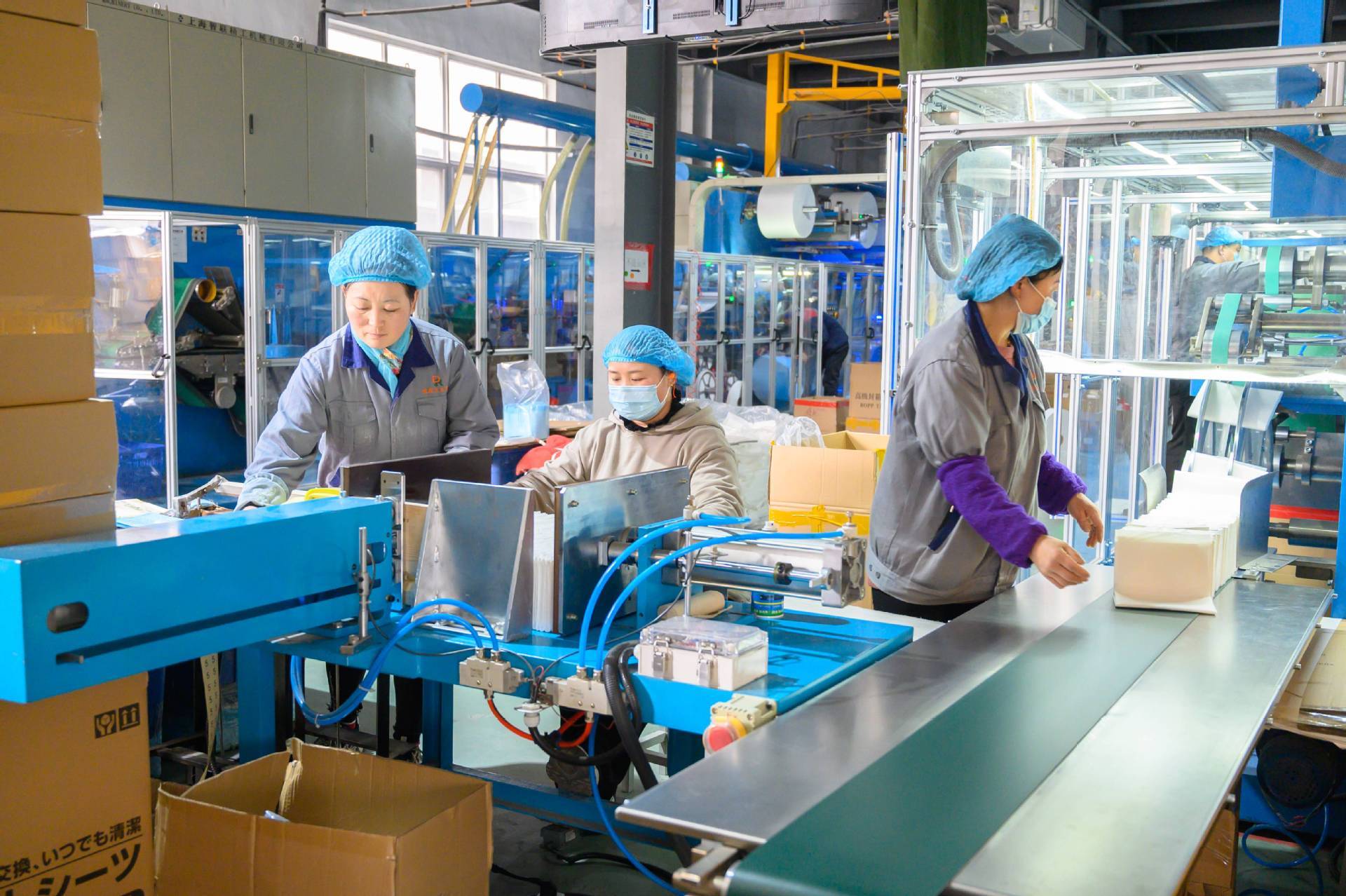
China Underpad holds ISO 9001 and ISO 13485, runs a GMP cleanroom, and offers both full OEM and ODM-with-customization programs — we are happy to walk you through which route fits your project. See our About page for our capabilities and certifications.
How This Connects to the Rest of Your Sourcing
Your OEM/ODM decision does not happen in a vacuum. It sits alongside other product choices:
- Core technology — whether you want a standard fluff-pulp core or a higher-performing SAP core affects whether an off-the-shelf ODM pad will meet your spec. Read our comparison: SAP vs Fluff Pulp: Which Underpad Core Absorbs Better?.
- Sizing — confirming the size and absorbency tier you actually need (60×90, 60×60, or 45×33) is a prerequisite to any OEM quote. See the Underpad Size & Absorption Chart.
- Use case — the buyer persona (nursing home vs. hospital vs. pet brand) changes both the spec and the economics. See our Nursing Home Buyer’s Guide for a concrete example.
Getting these foundations right first means your OEM or ODM conversation starts from facts, not guesses.
Conclusion: Which Should You Choose?
There is no universal winner in the OEM vs ODM underpad debate — there is only the right fit for your situation:
- Choose OEM if you have a proprietary spec, need defensible differentiation, or face strict regulatory requirements, and you are willing to accept higher MOQ and longer lead times in exchange.
- Choose ODM if you want speed, a low upfront investment, and a proven catalog product, and you are ready to compete on brand and service rather than product.
- Choose the hybrid if you want most of the customization of OEM with most of the speed and low MOQ of ODM — which is what most seasoned importers actually do.
The most important step is not the label you pick; it is asking the factory the right questions and getting ownership, MOQ, lead time, and certification in writing before you pay for anything.
Ready to talk specifics? Request a quote or tell us your target size, absorbency, and order volume on WhatsApp at +86 180 2983 6946 — we will tell you honestly whether OEM or ODM is the faster, cheaper path for your project, and send free samples so you can judge quality yourself.

