
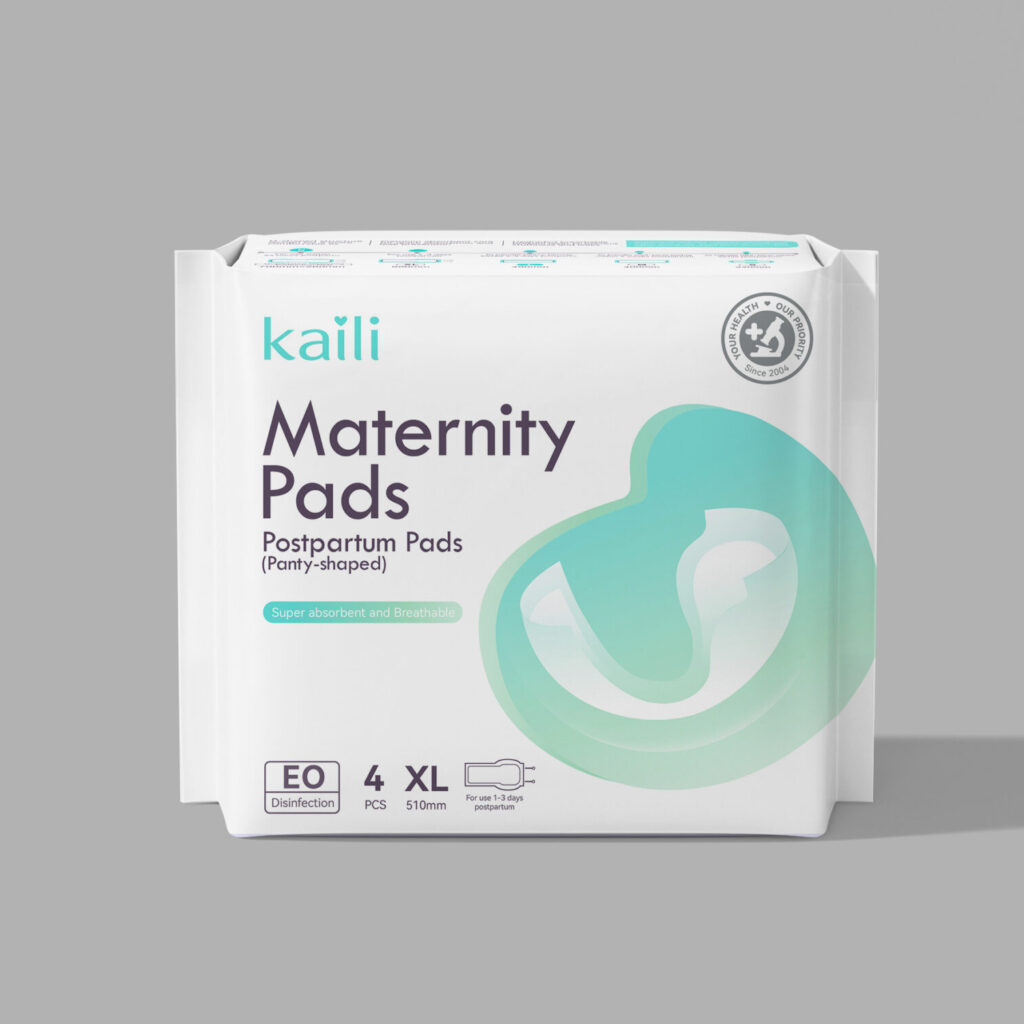
You’ve just had a baby, and suddenly “maternity pad” is on every checklist, forum thread and care-sheet. But nobody really walks you through it. Do you need the biggest size? How often do you change it? And why does it feel nothing like a regular sanitary pad?
This guide answers the practical questions — how to pick the right one, how to position it properly, how often to change it, and the mistakes that quietly cause leaks, irritation or wasted money.
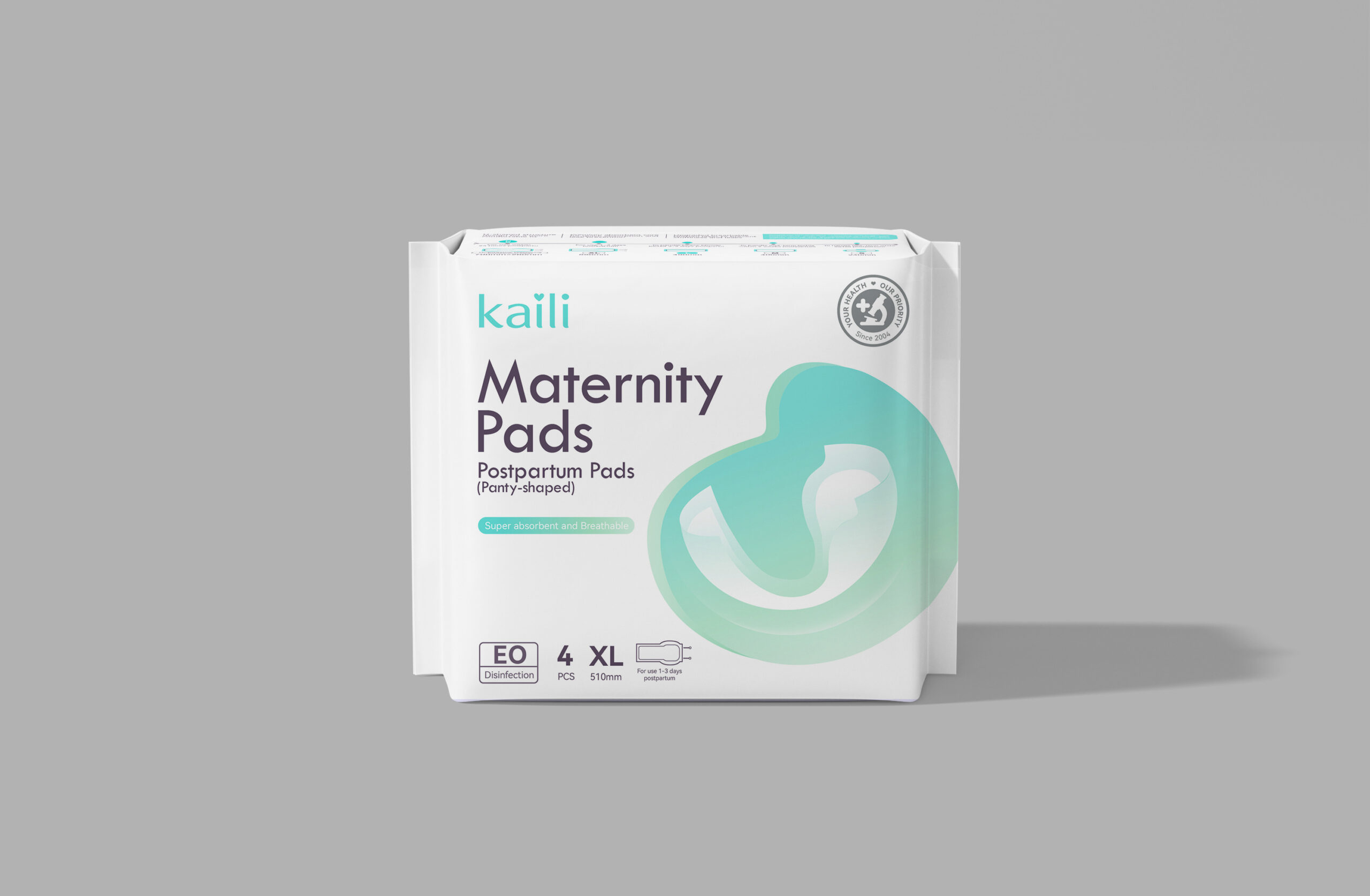
Why a Maternity Pad Is Different from a Regular Pad
For the first weeks after birth, your body passes lochia — a heavier, blood-and-tissue discharge that can last anywhere from two to six weeks. A regular sanitary pad simply isn’t built for that volume.
A maternity pad is longer, wider and far more absorbent, with a soft top layer that matters when you’re sitting, lying or moving through those early, tender days. It’s also usually free of the fragrances and synthetic finishes that can irritate healing skin.
The short version: a regular pad handles a period. A maternity pad handles postpartum recovery. Trying to substitute one for the other is the single most common source of leaks and discomfort.
How to Choose the Right Maternity Pad
Before you think about changing technique, get the basics right at the buying stage.
1. Absorbency first. Look for a pad with a high-absorbency core — typically fluff pulp combined with SAP (super absorbent polymer). This is what locks fluid in and keeps the surface feeling dry, even overnight.
2. Size matters more than you’d think. The early days call for a longer, wider pad. A larger pad means fewer gaps and fewer leaks when you’re lying down. You can step down to a smaller size as flow eases.
3. Soft, breathable top layer. Postpartum skin is sensitive and often healing. A soft non-woven surface wicks moisture away and reduces the risk of chafing. A breathable, waterproof back sheet keeps clothes and bedding protected without trapping heat.
4. Skip the extras. Fragrances, dyes and lotions add nothing and can irritate. Fragrance-free, latex-free is the safer default.
5. Check the credentials. For peace of mind, choose pads from a manufacturer with quality certifications (such as ISO 13485, ISO 9001 and CE) and hygienic production standards.
How to Use a Maternity Pad: Step by Step
Step 1 — Wash your hands. Before and after every change. You’re protecting a healing area, so this is non-negotiable.
Step 2 — Open the pad cleanly. Remove the wrapper without touching the top surface, and peel off the adhesive backing.
Step 3 — Position it correctly. Press the pad firmly onto the centre of your underwear, back-to-front. For heavy flow, make sure it’s positioned slightly further back than you’d place a normal pad — this is where leaks most often escape when you’re lying down.
Step 4 — Smooth it flat. No folds or wrinkles. A smooth pad stays in place and covers more evenly.
Step 5 — Settle and check. Stand up, sit down, then adjust if needed. The pad should feel secure but never tight or bunched.
How Often Should You Change a Maternity Pad?
This is where most people go wrong — leaving a pad on too long to “save” them.
Change your maternity pad every 3 to 4 hours during the day, and more often during the first few days when flow is heaviest. Change it as soon as it feels wet or soiled, even if that’s sooner.
Overnight, use a longer, heavier-absorbency pad so you can rest, but change it first thing in the morning. Fresh, dry pads don’t just feel better — they also lower the risk of irritation and infection during a vulnerable time.
Do’s and Don’ts
Do:
- Change pads frequently, especially in the first week.
- Keep a supply within reach of your bed and bathroom.
- Wear comfortable, breathable cotton underwear.
- Wash your hands before and after every change.
Don’t:
- Don’t use tampons or menstrual cups postpartum — your body needs time to heal.
- Don’t double up two pads to “last longer.” It bunches, shifts, and doesn’t protect any better.
- Don’t pick a heavily fragranced or scented pad while healing.
- Don’t ignore signs of a problem — if discharge has a strong odour or you feel unwell, contact your healthcare provider.
Common Mistakes (and How to Avoid Them)
1. Underestimating the early flow. The first days are the heaviest. If you start with a thin pad, expect leaks. Begin with a heavy-absorbency pad and step down as flow eases.
2. Positioning too far forward. Postpartum leaks most often happen at the back, especially overnight. Place the pad slightly further back than usual.
3. Reusing or cutting corners. Maternity pads are single-use. Never rinse and reuse — this risks infection.
4. Choosing fragrance over function. Scent doesn’t equal clean. Fragrance-free is gentler on healing skin.
5. Sticking to one size the whole time. Your flow changes over the weeks. Match pad size and absorbency to what your body is actually doing, not a one-size-fits-all habit.
FAQs
Can I use a regular sanitary pad instead of a maternity pad? In an emergency, a heavy-flow regular pad can work for a short time, but it isn’t designed for lochia volume. A dedicated maternity pad is longer, more absorbent and gentler on healing skin — it’s the safer choice for the early weeks.
How many maternity pads do I need per day? Plan for roughly 6 to 8 pads a day in the first few days, then fewer as flow lightens. Stocking up before birth means one less thing to worry about later.
Are maternity pads reusable? Most maternity pads are single-use and disposable. Washable cloth options exist, but they need strict hygienic washing. For hospital use and heavy early flow, disposable pads are the practical standard.
What’s the best size for overnight? Choose the longest, highest-absorbency pad you can for overnight, so you can rest without leaks. Change it first thing in the morning.
Can maternity pads cause infection? Not when used correctly. Leaving a wet pad on too long, using tampons too soon, or reusing pads is what raises risk. Frequent changes and clean hands are your best protection.
Looking for reliable maternity pads? As a manufacturer with 20 years of experience and ISO 13485 & CE certified production, we supply high-absorbency maternity pads with OEM/ODM options. Get in touch for specifications and free samples.
📧 [email protected] | 📱 +86 18029836946 (WhatsApp)

