

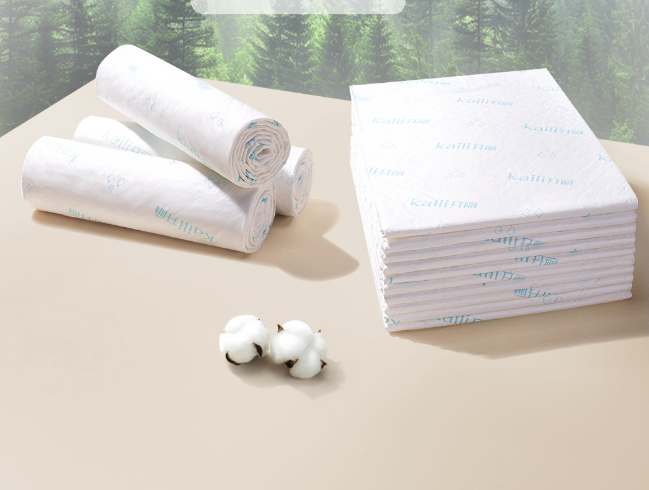
Custom underpad packaging is one of the fastest ways to turn a commodity product into a brand your customers recognize and trust — the same way your underpad core and absorbency define performance, your packaging defines the brand experience. In the B2B hygiene market, the pad inside the bag is often identical from one supplier to the next — what sets a product apart on the shelf, in the pharmacy, or in an Amazon listing is the packaging. Whether you are launching a private label, refreshing an existing line, or preparing a retail order, understanding how OEM packaging works will save you time, money, and costly reprints.
Why Packaging Matters More Than the Pad
In a crowded category like disposable underpads and bed pads, buyers rarely compare absorbency specs at the shelf. They compare trust signals: brand, cleanliness, size clarity, and language. Packaging is what delivers those signals in the first three seconds.
For wholesale and retail buyers, custom packaging delivers three concrete benefits:
- Brand recognition — consistent colors, logo, and layout across SKUs build recall and repeat purchase.
- Channel compliance — retail, pharmacy, and Amazon FBA each have packaging and labeling requirements that generic bulk bags cannot meet.
- Perceived value — a well-designed retail pack supports a higher price point than a plain poly bag, even when the product is the same.
Put simply: the pad earns the first sale, but the packaging earns the second. If you are still deciding between a factory’s existing product and building your own, our guide on OEM vs ODM underpad manufacturing explains the difference.
What You Can Customize
A full OEM program gives you control over nearly every surface of the product. The most common custom underpad packaging options are:
| Packaging element | What you can customize | Typical lead impact |
|---|---|---|
| Logo & brand name | Print your logo, brand colors, and product name | None (artwork file needed) |
| Bag / box material | PE poly bag, laminated film, paper carton, or retail hang-bag | Low |
| Size & color | Product dimensions, backing color (blue / pink / white), print color | Low |
| Count per pack | 3 / 10 / 30 / 60 pieces per bag or box | Low |
| Language & labels | English, local-language text, barcodes, and regulatory marks | None (provided by you) |
| Structure & inserts | Zipper seal, handle, inner divider, or instruction insert | Medium |
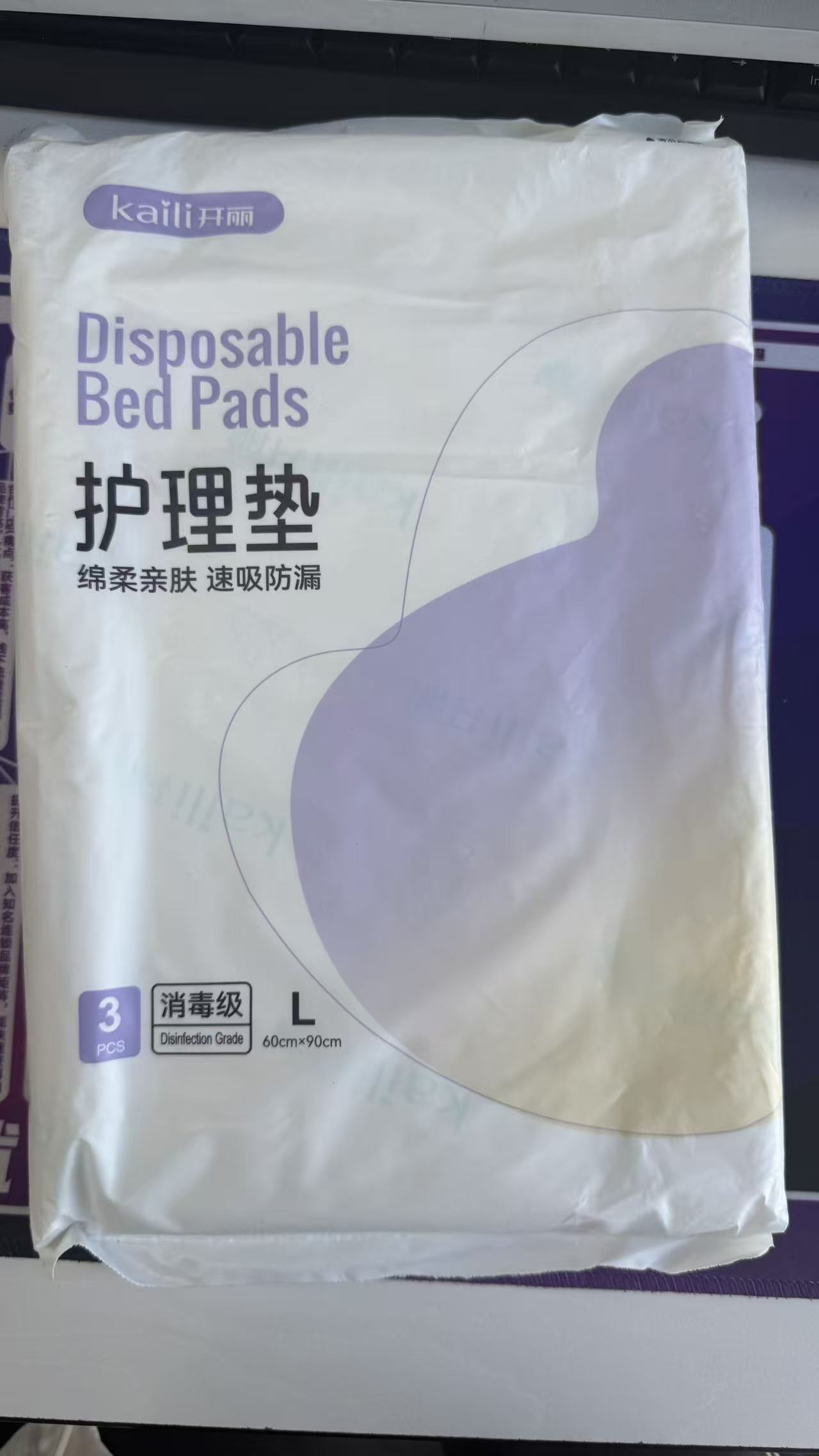
Bag vs. Box: Which Should You Choose?
Most underpads ship in PE poly bags — they are lightweight, waterproof, and inexpensive, which matters when freight cost per unit is a big part of your landed cost. Poly bags are the default for bulk and e-commerce.
Paper cartons are the better choice for retail shelf presence, gift sets, and higher-end maternity or hospital lines. They cost more per unit and take up more shipping space, but they communicate quality and are easier to merchandise on a hook or shelf.
Many brands use a hybrid: a printed poly bag for the product, then a branded master carton for shipping and pallet display.
How the OEM Packaging Process Works
Custom packaging follows a predictable, four-stage workflow. Knowing the stages helps you plan lead time and avoid the most common delay — artwork approval.
- Confirm specifications. Lock the product size, absorbency (gsm), count per pack, and packaging format before artwork begins.
- Submit artwork. Provide print-ready files (AI or high-resolution PDF, usually with outlined fonts) plus exact PMS color codes.
- Approve a digital proof. The factory sends a digital mockup for your sign-off before any plates or cylinders are made.
- Approve a pre-production sample. A physical sample is produced and shipped for final confirmation before the full production run.
The single biggest cause of schedule slippage is artwork that is not print-ready. Vector files with correct color profiles will move you through proofing days faster than screenshots or low-resolution images.
MOQ and Cost: What to Budget
Custom packaging is almost always tied to a minimum order quantity, because the fixed cost of printing plates and machine setup must be spread across a production run. For a full breakdown of how MOQ and lead time work across a production program, see Underpad MOQ & Lead Time: What B2B Buyers Should Expect. For our OEM/ODM programs, the typical starting points are:
- Paper carton packaging: from 50,000 pieces
- Poly bag packaging: from 30,000 pieces
These MOQs apply to custom logo and packaging production. If you need kaili-branded products in their original retail packaging, that is available as in-stock wholesale from just one carton (72 packs) — a faster, lower-risk way to test a market before committing to a full OEM run.
Your landed cost has three components to watch:
- Unit price — the pad plus the packaging material and printing.
- Printing amortization — plates and cylinders are a one-time cost, but they become nearly invisible at higher volumes.
- Freight — box packaging adds volume and weight, which raises shipping cost per unit.
Common Mistakes to Avoid
- Skipping the physical sample. A digital proof shows color and layout, not material feel, seal quality, or bag thickness. Always approve a pre-production sample.
- Underestimating regulatory labeling. Different markets require different text — import labels, allergen or material disclosures, and language requirements vary by country. Certification marks (CE, ISO 13485, GMP) must also be placed correctly; review our underpad certifications guide before finalizing artwork.
- Over-specifying packaging for a trial order. If this is your first market test, start with in-stock kaili packaging or a modest custom run rather than a full retail carton program.
Ready to Build Your Brand?
Custom underpad packaging turns a generic hygiene product into a brand asset. Whether you want a full private-label line with your own logo and cartons, or a fast in-stock kaili wholesale order to validate demand first, we can quote both paths.
Request a quote and tell us your target market, count per pack, and packaging format — we will reply within 24 hours with specifications, MOQ, and pricing.

